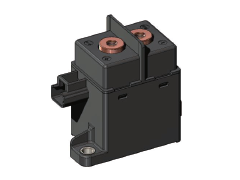
GIGAVAC SGX Contactors
GIGAVAC SGX Series Contactors comply with IEC 60664-1 and RoHS standards. These contactors can handle a steady current of 150A to 400A at 85°C and are filled with hydrogen gas to stop rust and keep contact resistance low. The SGX series contactors, with a hermetically sealed rating of 175°C, are ideal for material handling, residential ESS, and DC fast charging applications.
Features
- 4kV dielectric strength between coil and contacts
- Complies with IEC 60664-1 and RoHS standards
- Gas-filled (hydrogen) to prevent oxidation and maintain low contact resistance
Applications
- DC fast charging
- Material handling
- Residential ESS
Technical Specifications
| Parameters | Values |
|---|---|
| Contact Resistance | ≤0.2mΩ at 200A |
| Rated Load Current Range | 150A to 400A |
| Rated Switching Voltage Range | 450V to 1000V |
| Rated Switching Power Range | 112.5kW to 300kW |
| Maximum Switching Power Range | 112.5kW to 300kW |
Video
This TTI Tech Specs video for GIGAVAC SGX Series Contactors explains that they are filled with hydrogen gas to prevent oxidation and maintain their low contact resistance. These contactors can handle up to 400A of continuous current at up to 1000V.
See video transcript below
Video Transcript
They say an ounce of prevention is worth a pound of cure. I’m not sure how much hydrogen gas is used in Sensata’s GIGAVAC SGX series contactors, but it’s worth a lot of cure. With contactors, oxidation increases contact resistance, which is really bad when it’s carrying hundreds of amps. So SGX Series Contactors are filled with hydrogen gas to prevent oxidation and maintain their low contact resistance. These contactors can handle up to 400A of continuous current at up to 1000V, with a maximum power switching capability up to 300kW. The casing is hermetically sealed, and they can operate at up to 175°C for use in the most challenging environments. They also meet IEC 60664-1 requirements and are suitable for applications including DC fast charging, material handling, and residential ESS.