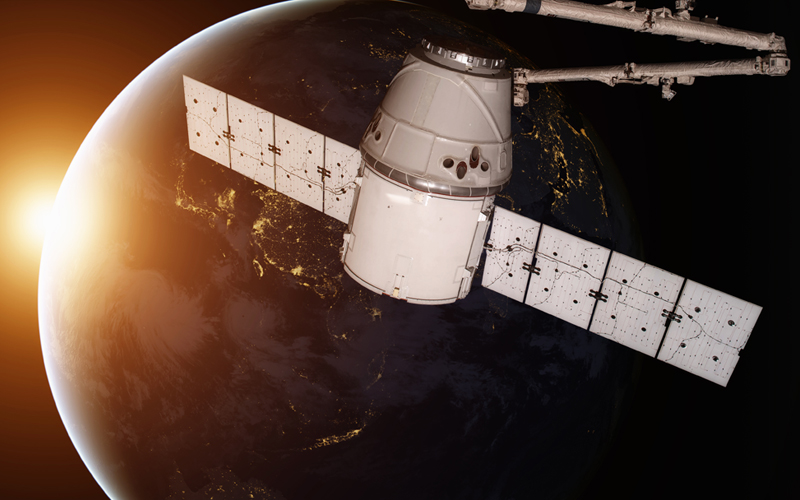
We are in an unprecedented time of new development in commercial spaceflight. In addition to the highly-publicized flights of SpaceX, Blue Origin and Virgin Galactic, a range of smaller firms are striving to gain market share, including small-satellite launch provider Rocket Lab and launch vehicle company Astra Space.
At the same time, we are seeing new investments and innovations from industry leaders such as Boeing and Northrop Grumman. These contributions range from rockets and engines, to cargo or crew spacecraft, to defense systems and the technology to support them.
This competition to bring future people and vehicles to low Earth orbit and beyond has the potential to make the dreams of science fiction become reality.
For example, with NASA’s recent announcement that the International Space Station will be decommissioned after 2030, new space stations like Blue Origin’s Orbital Reef concept could begin to move us toward a dream of more humans living and working in space.
This “boom period” in spaceflight will have far-reaching impacts beyond commercial space, creating new demand for mil-spec and space-rated components beyond anything we have experienced before.
Another factor to consider is the speed of recovery in commercial air. We do not yet know how quickly business travel will trend back toward pre-pandemic levels, nor do we know how rapidly aircraft production will ramp back up.
Current trends seem to suggest that demand for single aisle and regional aircraft will continue to recover, reaching pre-pandemic levels much sooner than wide body aircraft. Although everyone agrees that there are still many challenges to overcome, most of our customer base is expecting to see some growth in 2022.
Recovery in air travel will also prompt new aftermarket service revenue streams. Out-of-storage checks and return-to-service maintenance continue to drive an incremental 2022 aftermarket which could deplete existing inventory.
Even for components with shorter lead times, a rapid ramp-up in aircraft production alongside high demand from commercial space and defense could cause delays in manufacturers’ programs. With the current long lead times for capacitors and other critical parts, this combination might create a new wave of supply-chain uncertainty and complications.
Now is the time to make sure your company has strong partnerships and assurance of component supply. As a specialist distributor serving the defense and aerospace industries, we are working with our customers to make sure they understand the current state of the supply chain and to help them plan in pace with market conditions.
In response to the pandemic’s supply chain disruptions, we have been encouraging our customers to share their forecasts by part number to ensure they remain up-to-date with realistic lead times and inventory positions in the market.
Also, while we frequently hear that customers have on-hand inventory that needs to be consumed, we also want to make sure that the demand during this critical period is as accurate as possible.
Solid planning and partnerships now can position your business to make the most of both recovery and the period of growth in space, aviation and defense that we expect as the 2020s continue.
A version of this article appeared in the March 2022 issue of Electronics Sourcing North America.
Follow TTI, Inc. on LinkedIn for more news and market insights.